
355 views||Release time: Oct 28, 2025
Meetings are often seen as a necessary evil in the business world – a place where time goes to die. However, with the right approach, meetings can be powerful catalysts for innovation, decision-making, and team collaboration. The key lies in transforming them from passive gatherings into active, productive sessions. This article will guide you through proven strategies to ensure every meeting you attend or host contributes positively to your goals.
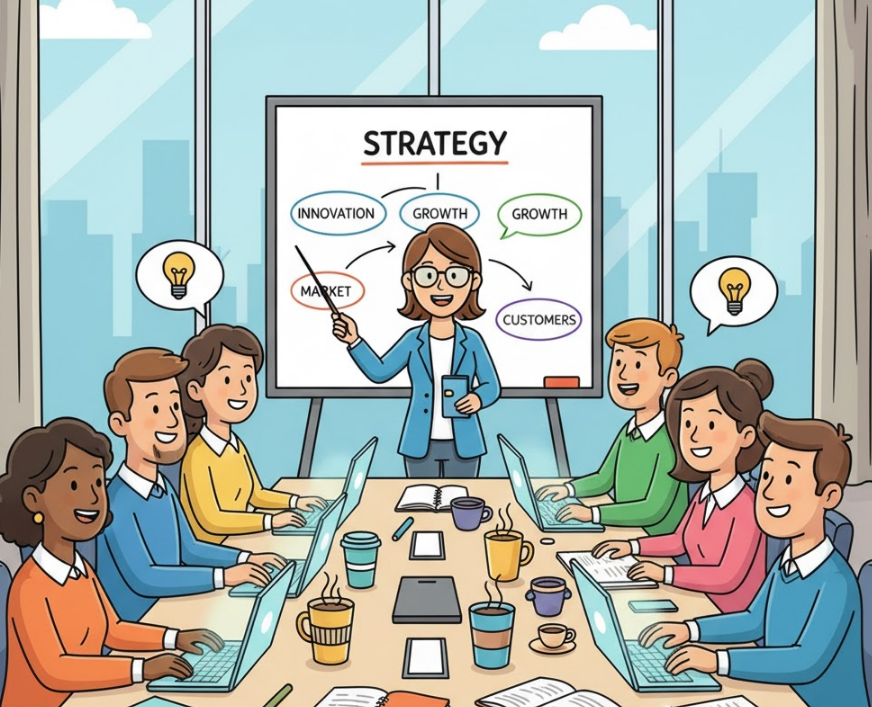
The success of any meeting is largely determined before it even begins. Proper preparation sets the stage for efficiency and focus.
Define a Clear Purpose and Objective: Before scheduling, ask yourself: "What do we need to achieve by the end of this meeting?" Is it to make a decision, brainstorm ideas, share information, or solve a problem? A clear objective will dictate the agenda and participants.
Create a Detailed Agenda: An agenda is your meeting's roadmap. It should list topics, allocate specific timeframes for each, and identify who is responsible for leading each discussion point. Distribute this agenda well in advance so attendees can prepare.
Identify and Invite the Right Participants: Only invite individuals whose presence is essential for achieving the meeting's objective. Fewer, more focused attendees often lead to more productive discussions. Consider their roles, expertise, and contribution.
Share Pre-Reading Materials: If there's information attendees need to review before the meeting, send it out with ample notice. This allows participants to come prepared and avoid spending valuable meeting time catching up.
Choose the Right Setting/Tool: Whether in-person or virtual, ensure the environment or platform supports effective communication. Test technology beforehand for virtual meetings.
Even with excellent preparation, meetings can derail without active facilitation.
Start and End on Time: Punctuality shows respect for everyone's time. Begin exactly when scheduled, even if some are late, and aim to conclude on time, if not earlier.
Assign Roles: Designate a facilitator (who ensures the agenda is followed and discussions stay on topic), a note-taker (who records key decisions and action items), and a timekeeper (who monitors adherence to the agenda's timeframes).
Stick to the Agenda: The facilitator plays a crucial role here. Gently steer conversations back to the topic if they wander. "Parking lot" unrelated but important ideas for future discussion.
Encourage Participation, Manage Dominance: Ensure everyone has a chance to speak and contribute. Actively invite input from quieter members and respectfully manage those who might dominate the conversation.
Focus on Actionable Outcomes: Every discussion point should ideally lead to a conclusion, a decision, or a defined next step. Avoid endless discussions that don't progress.
Summarize Key Decisions and Action Items: Before moving to the next topic or concluding the meeting, briefly recap what was decided and what actions need to be taken, by whom, and by when.
The work isn't over when the meeting ends. Effective follow-up translates discussions into tangible progress.
Distribute Meeting Minutes Promptly: The note-taker should circulate a summary of key decisions, action items, owners, and deadlines as soon as possible after the meeting.
Follow Up on Action Items: Those assigned tasks should be held accountable. A system for tracking progress on action items ensures that decisions made in the meeting actually lead to results.
Gather Feedback: Periodically, ask participants for feedback on the meeting's effectiveness. What worked well? What could be improved? This continuous improvement loop can refine your meeting process over time.
Evaluate Meeting Necessity: After each meeting, or periodically, critically assess if the meeting was truly necessary and if its objectives were met. Sometimes, an email or a quick chat can achieve the same outcome more efficiently.
Productive meetings are not accidental; they are the result of deliberate planning, skillful facilitation, and diligent follow-up. By implementing these strategies, you can transform your meetings from dreaded obligations into dynamic, decision-making hubs that drive progress and foster collaboration within your team and organization. Make every minute count!

